
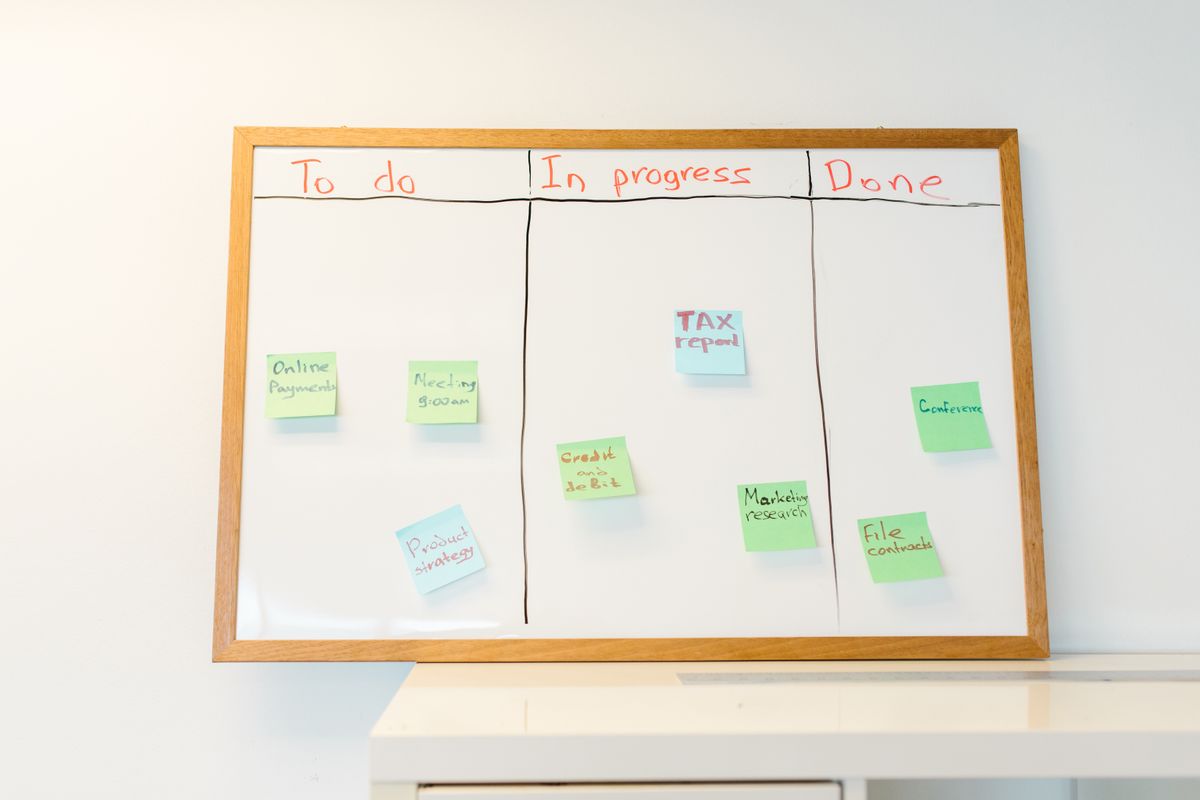
V1 shipped back in Dev Log #6 on the back of GitHub Copilot Agent sessions. Since then the biggest change to Dolmenwood Beyond isn’t a feature — it’s how the features get built. I moved the whole project onto Claude Code, and I stopped firing one-shot prompts at the agent. Now every feature goes through an eight-step process called QRSPI.
This post is about that shift, and the work that came out of it.
The change: from one big prompt to eight small ones
The old way was a single fat prompt: “build me the scheduling feature, here’s the context, go.” It worked, but the agent had to hold the entire problem — research, design, plan, and code — in one breath. When it got something wrong, it got it wrong deep inside a 1,000-line change that was hard to course-correct.
QRSPI splits that one prompt into eight focused phases, each producing a small written artifact before the next begins:
| Phase | What the agent produces |
|---|---|
| Question | Neutral questions that force it to touch every relevant part of the codebase |
| Research | Objective facts about how things actually work today — no opinions |
| Design | A short “here’s where we’re going” document |
| Structure | The slices and checkpoints for how we get there |
| Plan | The tactical, step-by-step working document |
| Worktree | An isolated git worktree to build in |
| Implement | Execution, phase by phase, with verification |
| PR | The pull request, with context carried from the design |
The win is that I review the Design (a couple hundred lines) and the Structure (about two pages) — not a giant plan and not the raw diff. If the agent has misunderstood something, I catch it on page two instead of in code review. Each feature now leaves a paper trail under thoughts/qrspi/ showing exactly what was asked, researched, and decided.
If you want the full rationale behind the eight phases, the QRSPI README lays it out well.
What got built this way
Campaign scheduling calendar + availability voting. Referees can post candidate play dates; every participant marks themselves free or busy on each one. When everyone marks a date available, the proposal atomically confirms itself — it drops a real session onto the campaign calendar and fans out an in-app notification to the whole party. A month-grid calendar view and a bell/badge in the app shell round it out. This was the first feature I ran end-to-end through QRSPI, and the design doc caught the tricky part (concurrent final approvals shouldn’t create duplicate sessions) before any code existed.
A “what’s actually missing” audit. I pointed the process at the original PRD and had it find the gaps between what was promised and what shipped. That turned into a tidy sweep: the manual character-creation wizard now covers all of steps 8–13, the optional-rules toggles are wired to real behavior instead of just sitting in settings, the character sheet shows real equipped-armor AC, there’s a quick dice-roller tab, and the PWA finally has proper raster icons.
Animated dice rolls. Skills checks, saving throws, and attack rolls now shake a die and then reveal the pass/fail result, all driven by one shared useDiceRoll hook so every roller behaves consistently. Small thing, but it makes the app feel like a game instead of a spreadsheet.
The review pipeline moved to Claude too
Dev Log #6’s five-agent review ran on Copilot. I rebuilt it on Claude: the old auto-implement and blogger-reviewer workflows are gone, and the four expert personas (architect, DevOps, security, QA) now emit structured findings that a synthesis step dedupes and ranks into a single consolidated PR comment instead of four competing ones. There’s also a local /review slash command that runs the same personas against my working diff before I open the PR — same reviewers, no waiting on CI, no API spend.
What’s next
The process is the feature now. Everything from here — the v2 campaign tools, more referee features — goes through the same eight steps, which means each one shows up with its own design doc I can argue with before a line of code is written.
And, as always: at some point I should stop building the game and go play it.
Dolmenwood Beyond is a personal project. The game itself is by Gavin Norman / Necrotic Gnome.
 DevOps Reverse Engineer
Leave a comment