

Infrastructure as Code (IaC) has transformed how we deploy and manage IT infrastructure. Gone are the days of manual server setups, a time-consuming and error-prone process. IaC not only streamlines deployment but also significantly reduces the risk of configuration errors and environmental drift. However, the shift to IaC introduces new challenges, particularly in time management and process efficiency.
At the outset of a new IaC project, the initial steps involve identifying the necessary infrastructure types and then either researching how to configure them in your preferred tool or reusing code from prior projects. This phase can be the most time-consuming, especially for large-scale projects. During this critical period, developers often encounter issues such as missing parameters, incorrect parameter types, or invalid connections between infrastructure components. While troubleshooting is an inevitable part of the process, its impact should be minimized as much as possible through thorough planning and documentation.
Another significant challenge arises when managing multiple environments for the same infrastructure. Typically, this is handled through either a folder structure within a repository, with each folder representing a different environment, or by creating separate branches for each environment. The folder structure approach often leads to template drift, requiring manual updates across all environment templates whenever one is modified. Although managing environments through branching may reduce drift, it still presents a cumbersome burden. Both methods are prone to inefficiencies and errors, underscoring the need for a more streamlined solution.
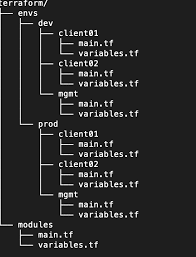
Enter the concept of a Master Schema. This innovative approach promises to address the aforementioned challenges by providing a unified framework for managing infrastructure configurations across multiple environments. By abstracting common elements and leveraging dynamic parameters, the Master Schema aims to simplify the management process, reduce errors, and save time.
In summary, while IaC offers significant advantages over traditional infrastructure management methods, it also brings its own set of challenges. The key to overcoming these obstacles lies in efficient planning, effective reuse of resources, and innovative solutions like the Master Schema. Stay tuned for more insights on how the Master Schema can revolutionize your IaC practices, setting the stage for more efficient and error-free infrastructure management.
This blog post aims to shed light on the complexities of IaC while proposing a forward-thinking solution. By embracing these strategies, we can continue to refine our infrastructure management practices, making them more efficient and reliable than ever before.
 DevOps Reverse Engineer
Leave a comment